Introduction
In Victoria, having a reliable hot water system is essential for comfort and convenience in our daily lives. Whether it’s for a hot shower, washing dishes, or laundry, the demand for hot water is constant. With various options available, choosing the right hot water system can be overwhelming. This blog aims to guide you through the different types of hot water systems, their benefits, and what to consider when making your decision.
Types of Hot Water Systems
- Electric Hot Water Systems
- How They Work: Electric hot water systems use electricity to heat water in a tank or on demand.
- Pros:
- Easy to install and maintain.
- Suitable for homes without gas connections.
- Available in various sizes to suit different households.
- Cons:
- Higher running costs compared to gas or solar systems.
- Environmental impact due to reliance on non-renewable energy sources.
- Gas Hot Water Systems
- How They Work: Gas hot water systems use natural gas or LPG to heat water either in a storage tank or instantaneously.
- Pros:
- Generally cheaper to run than electric systems.
- Fast heating times, especially with instantaneous models.
- Environmentally friendlier than electric systems when using natural gas.
- Cons:
- Requires proper ventilation and gas line connections.
- Installation can be more complex.
- Solar Hot Water Systems
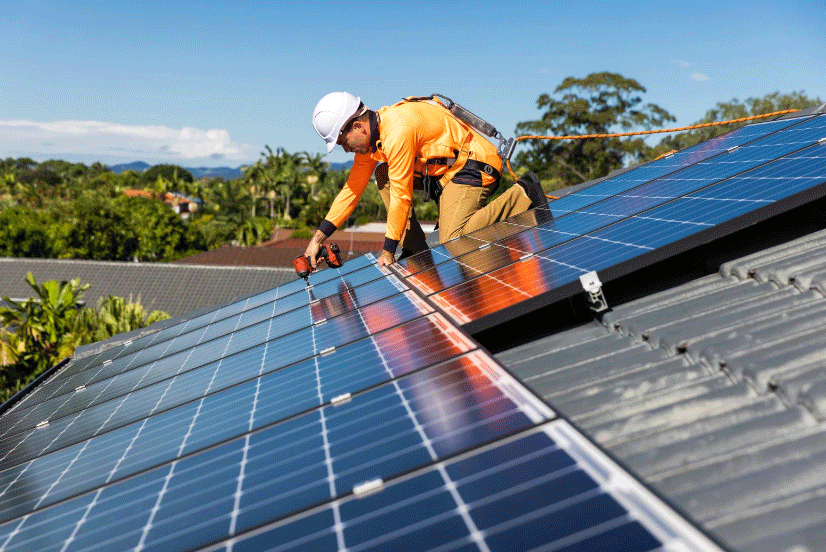
- How They Work: Solar systems use solar panels to capture sunlight and convert it into heat, which warms the water stored in a tank.
- Pros:
- Highly energy-efficient and environmentally friendly.
- Significant savings on energy bills in the long run.
- Government incentives may be available for installation.
- Cons:
- Higher upfront costs.
- Dependent on sunlight, which can limit performance in winter or cloudy conditions.
- Heat Pump Hot Water Systems
- How They Work: Heat pumps extract heat from the air or ground and use it to heat water.
- Pros:
- Highly efficient and can reduce energy bills significantly.
- Environmentally friendly, especially when paired with renewable energy sources.
- Cons:
- Higher initial investment.
- Performance can be affected by extremely cold temperatures.
Factors to Consider When Choosing a Hot Water System
- Household Size: Consider how much hot water your household typically uses. Larger families may benefit from systems with greater capacity or instantaneous models.
- Energy Source: Evaluate the available energy sources in your area. Electric systems are great for homes without gas lines, while solar systems are ideal for those looking to reduce their carbon footprint.
- Budget: Factor in both the upfront costs and long-term running costs of each system. While some systems may have higher initial costs, they could save you money in the long run.
- Space Requirements: Assess the space available for the hot water system. Some systems, like solar panels, may require additional roof space.
- Installation and Maintenance: Choose a system that is easy to install and maintain. Professional installation is recommended to ensure safety and efficiency.
Conclusion
Choosing the right hot water system for your home in Victoria can significantly impact your comfort, convenience, and energy bills. By understanding the different types of systems available and considering your household’s specific needs, you can make an informed decision that suits your lifestyle.